
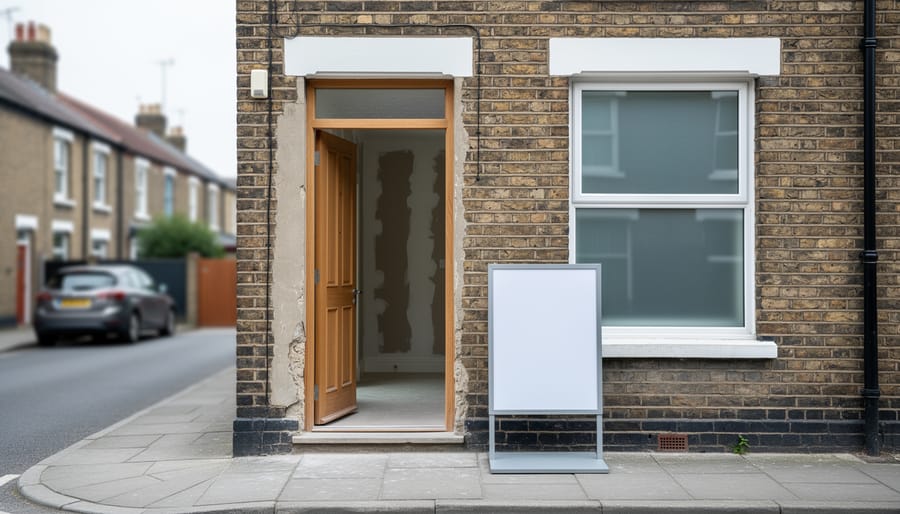
Selling a house that needs modernising typically takes 8 to 12 weeks as-is, often at 10 to 20 percent below market value for updated properties, but this approach can save you months of renovation time and tens of thousands in upfront costs while reducing the embodied carbon from partial, inefficient upgrades. The decision hinges on three factors: your timeline, access to capital, and the local buyer pool. If you need to move quickly or lack the funds for comprehensive improvements, marketing to investors or buyers who value sustainable, whole-home transformations makes financial and environmental sense.
Properties requiring updates occupy a unique position in the market. Buyers interested in sustainable architecture often prefer purchasing unrenovated homes because they can implement cohesive, low-carbon solutions rather than working around piecemeal fixes. A dated kitchen or single-pane windows might seem like liabilities, but for eco-conscious purchasers, they represent opportunities to install energy-efficient appliances, improve insulation, and reduce greenhouse gases through thoughtful design. This buyer segment has grown substantially, particularly as building performance standards tighten and homeowners recognize the long-term savings of deep energy retrofits.
The key to a successful sale lies in accurate pricing, transparent disclosure, and targeted marketing. Understanding which updates genuinely increase value versus those that simply bring a property to baseline expectations allows you to avoid costly mistakes. Some sellers find that services like we buy any house uk provide speed and certainty when renovation isn’t viable.
The True Cost of Pre-Sale Modernisation
Modernising a home before sale sounds logical until you tally what you’ll actually spend against what you’ll recover. A mid-range kitchen renovation averages £15,000 to £25,000, yet often returns only 60-70% of that investment in added sale price. Bathrooms, HVAC systems, and insulation upgrades follow similar patterns, and when you factor in the environmental footprint of manufacturing new materials, the case for pre-sale improvements weakens considerably.
The financial picture becomes clearer when you examine common upgrades side by side:
| Improvement | Typical Cost | Expected ROI | Completion Time |
|---|---|---|---|
| Kitchen remodel | £15,000, £25,000 | 60-70% | 4-8 weeks |
| Bathroom update | £8,000, £12,000 | 55-65% | 2-3 weeks |
| HVAC replacement | £5,000, £9,000 | 40-60% | 1-2 weeks |
| Wall insulation | £6,000, £10,000 | 45-65% | 2-4 weeks |
These numbers tell only part of the story. Every new cabinet, tile, and fixture carries embodied carbon in lifecycle impacts from manufacturing, transport, and installation. A replacement boiler requires energy-intensive steel production. New countertops mean quarrying, cutting, and shipping stone or manufacturing composite materials. When you install standard builder-grade fixtures to appeal to broad buyer tastes, you’re likely choosing products that won’t save money with green approaches over their lifespan.
The time factor compounds these issues. Contractors run behind schedule, materials arrive damaged, and building inspectors find code violations that trigger additional work. What started as a six-week kitchen refresh stretches to three months, during which you’re still paying the mortgage, utilities, and insurance while watching your target sale season slip away. Estate agents confirm that spring and early autumn command premium prices, but renovation delays can push your listing into slower winter months.
Market mismatch presents another risk. Investing in high-end finishes in a neighbourhood where buyers prioritise location over luxury means you’ve overcapitalised. Conversely, basic updates in an area trending toward bespoke renovations won’t differentiate your property. You’re essentially guessing what an unknown future buyer will value, then spending thousands on that guess while the materials you install begin their depreciation cycle the moment contractors finish.
When Selling As-Is Makes Environmental Sense
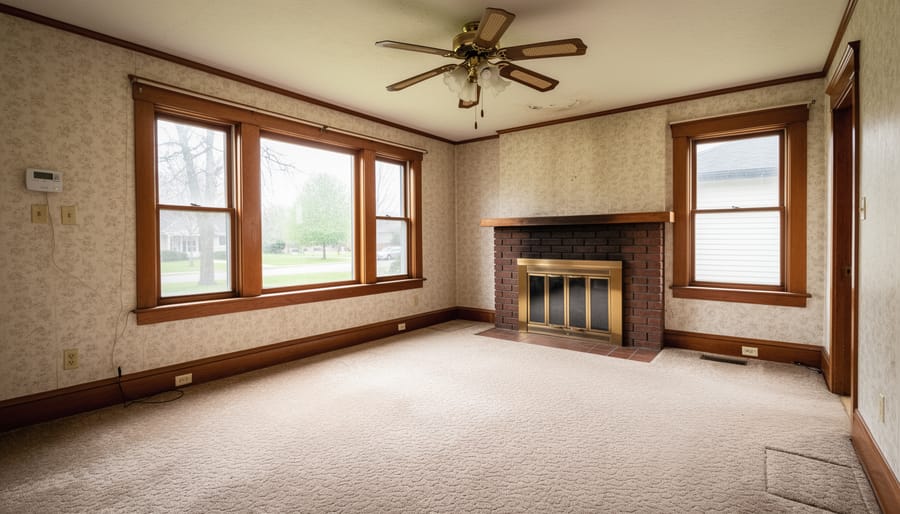
The environmental case for selling as-is often outweighs the perceived benefits of pre-sale renovations. When you replace countertops, fixtures, or flooring before selling, those materials carry embodied carbon, the emissions generated during extraction, manufacturing, and transport. If the next owner has different aesthetic preferences or wants to implement a comprehensive sustainability plan, your new installations become demolition waste within months.
This double-renovation problem is particularly acute with partial updates. A buyer committed to net-zero performance will likely gut your new kitchen anyway to improve insulation, air sealing, and mechanical systems. Your granite countertops and vinyl plank flooring end up in a landfill, having served no functional purpose beyond staging. The construction industry already generates roughly 40% of global waste; adding unnecessary renovation cycles compounds this burden.
Selling without upgrades preserves flexibility for holistic sustainable design. Comprehensive retrofits, those addressing building envelope, mechanical systems, and renewable energy simultaneously, deliver far better performance than piecemeal improvements. A buyer working with a green architect can assess the entire structure, model energy flows, and make coordinated decisions about insulation depth, window specifications, HVAC sizing, and passive solar orientation. Your outdated bathroom might seem like a liability, but it represents an opportunity for integrated water-saving fixtures, greywater systems, or radiant floor heating that only makes sense as part of a complete renovation.
The sustainability argument extends beyond materials. Rushing renovations to meet sale timelines often means choosing whatever’s available rather than waiting for reclaimed materials, local suppliers, or products with verified environmental certifications. Buyers with time and intention can source responsibly, coordinate with specialty contractors, and avoid the compromises that come with pre-sale cosmetic fixes designed simply to appeal to the broadest possible market.
Understanding Your Buyer Pool
The market for homes needing modernisation attracts distinct buyer segments, each with compelling reasons to choose a blank canvas over move-in ready. Understanding these groups helps you position your property effectively and set realistic expectations for the sale process.
Eco-conscious renovators represent a growing segment actively searching for properties they can transform into sustainable showcases. These buyers often possess architectural or building backgrounds and view outdated homes as opportunities to implement comprehensive green solutions from the ground up. They’re willing to pay fair market value for solid structures with good bones because they plan extensive overhauls anyway, installing heat pumps, solar arrays, triple-glazed windows, and high-performance insulation systems that deliver genuine environmental benefits and long-term operating cost reductions.
Green building professionals and contractors frequently purchase renovation projects as demonstration properties or investment vehicles. They leverage their industry connections to source sustainable materials at trade prices and can execute renovations at actual cost rather than retail rates. For these buyers, your unmodernised house becomes a business opportunity where they control quality, materials selection, and environmental standards while capturing the value they create through their own labor and expertise.
Net-zero and passive house enthusiasts specifically seek properties where they can achieve rigorous performance standards. Half-updated homes create complications because they must work around previous owners’ choices that may not align with Passivhaus energy savings requirements or net-zero targets. A property needing complete systems replacement offers the clean slate these buyers need to execute their vision without compromise or costly demolition of recent but inadequate improvements.
Pricing Strategies for Unmodernised Homes
Pricing a house that needs modernisation requires a fundamentally different approach than valuing a move-in-ready property. Start with comparable sales in your specific neighbourhood, but separate them into two categories: recently updated homes and those sold as-is. The gap between these figures establishes your baseline adjustment range, typically 15-30% depending on market conditions and the extent of work needed.
Location remains your strongest pricing anchor. A structurally sound but outdated home in a desirable area with good schools, transport links, and neighbourhood character holds more value than a recently renovated property in a declining market. Urban locations near cycling infrastructure and public transit command premiums from sustainability-focused buyers who prioritise walkability over cosmetic finishes.
Assess structural condition honestly. Solid foundations, a sound roof, and functional plumbing and electrical systems justify higher pricing even with dated aesthetics. Buyers willing to tackle cosmetic updates will pay for homes that don’t require expensive structural remediation. Conversely, properties with foundation issues, outdated wiring, or failing heating systems need significant price reductions to account for essential safety upgrades.
Energy efficiency potential increasingly influences pricing decisions. Homes with south-facing orientation, adequate roof structure for solar panels, solid walls suitable for external insulation, or existing cavity walls ready for upgrade offer quantifiable value to green renovators. Commission a basic energy assessment showing improvement pathways, a £500 investment that can justify a £10,000-15,000 higher asking price by demonstrating cost-effective routes to efficiency.
Consider seasonal timing in your pricing strategy. Spring typically brings more buyers and competitive offers, allowing firmer pricing. Winter markets favour buyers, but serious eco-renovators often search during off-peak periods when competition is lower and sellers more motivated. Price slightly below comparable as-is sales if you need a quick transaction, or match them if you can wait for the right buyer who sees your property’s sustainable transformation potential.
Preparing an Outdated House for Market Without Major Upgrades
Emphasize Bones Over Finishes
When eco-conscious buyers evaluate a house needing modernisation, they look past dated cabinets and worn carpets to assess the foundation for sustainable renovation. Your job is to direct attention to these permanent features that no amount of cosmetic updating can change.
Start with structural integrity. Point out solid foundations, timber framing in good condition, or concrete floors that can support thermal mass strategies. A sound structure means less embodied carbon in future repairs and a longer building lifespan, key sustainability metrics.
Highlight layout advantages that support passive design: open floor plans that allow natural ventilation, rooms positioned to capture prevailing breezes, or minimal internal walls that won’t need demolishing for better airflow. South-facing walls are particularly valuable for passive solar gain and future solar panel installation.
Document what’s already there. Existing wall insulation, even if outdated, shows renovation potential. Tall ceilings allow for improved insulation without losing volume. Large windows, regardless of their current efficiency, indicate good daylighting that reduces energy consumption once upgraded to high-performance glazing.
Include measurements and orientations in your listing: “3.2m ceilings throughout,” “primary living spaces face north” (southern hemisphere) or “south-facing rear elevation ideal for solar gain” (northern hemisphere). These specifics help green builders immediately assess the home’s sustainable renovation potential.
Document Energy Efficiency Opportunities
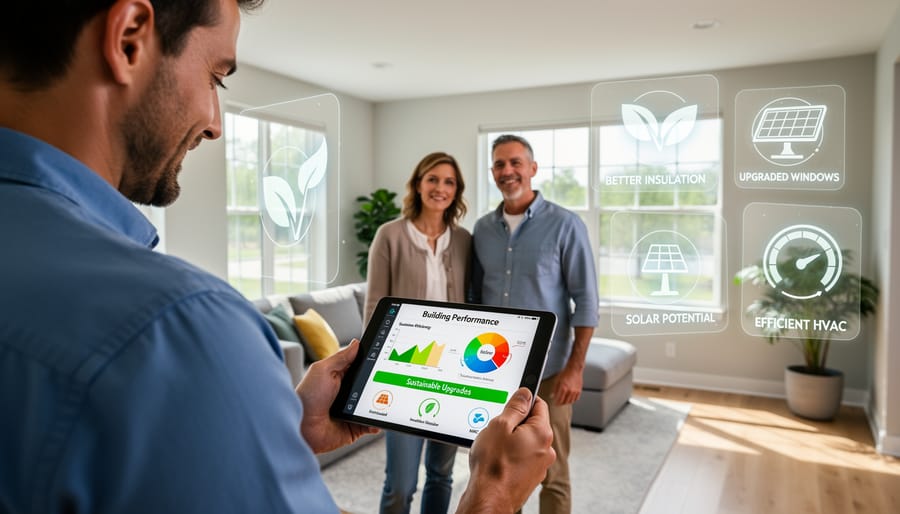
A professional energy assessment transforms an outdated property from a liability into a documented opportunity. Commission a Home Energy Score or blower-door test before listing, these energy audits assess usage patterns and identify specific improvements that yield the highest returns. Include thermal imaging reports showing heat loss through walls or roofs, which help buyers quantify potential savings from insulation upgrades. If your site has southern exposure, obtain a solar feasibility study detailing roof orientation, shading analysis, and estimated system size, these typically cost £200-400 but can shift buyer perception entirely. For properties with single-glazed windows or uninsulated walls, provide written estimates from contractors for modern replacements alongside projected annual energy savings. Package these documents in a “Green Potential Report” that buyers can review alongside the listing. This transparency attracts serious renovators who appreciate hard data over vague promises, and it demonstrates you understand what matters to sustainability-focused purchasers without spending thousands on the improvements themselves.
Marketing to Sustainability-Minded Buyers

Marketing an unmodernised home to sustainability-minded buyers requires reframing perceived weaknesses as opportunities. Rather than apologising for outdated systems or finishes, position the property as a blank canvas for comprehensive green transformation. Your messaging should emphasise what eco-conscious buyers value most: the chance to implement their sustainability vision from the ground up rather than working around previous owners’ half-measures.
Start with your listing description. Highlight structural assets that support sustainable renovation: solid bones, good natural light, mature landscaping that provides passive cooling, or existing infrastructure like adequate electrical panels for future solar integration. Mention specific opportunities such as “south-facing roof ideal for photovoltaic installation” or “uninsulated attic ready for high-performance retrofit.” Be honest about the home’s current state whilst framing updates as opportunities to incorporate the latest energy-efficient technologies rather than obligations.
The most successful green renovations start with homes that haven’t been partially updated, allowing buyers to implement cohesive sustainable systems rather than retrofit around incompatible components.
Connect with buyers through channels they actually use. List on platforms frequented by environmentally conscious homebuyers, and share the property in local sustainability groups or green building networks. Partner with estate agents who specialise in eco-properties or understand the unique appeal of renovation projects to climate-aware buyers. These professionals speak the language of embodied carbon, thermal bridging and lifecycle analysis that resonates with your target market.
Include documentation that helps buyers envision transformation potential. Commission an energy performance certificate if you don’t have a recent one, and consider providing a basic thermal imaging report or solar feasibility study. These materials demonstrate transparency whilst giving buyers concrete data to plan their sustainable improvements, from smart home automation to comprehensive insulation upgrades.
Emphasise the environmental benefit of their comprehensive approach versus your piecemeal pre-sale updates. Make it clear that by selling as-is, you’re enabling the next owner to avoid the waste of removing recent conventional improvements to install superior sustainable alternatives. This positions you as a partner in their green building journey rather than an obstacle to it.
Case Study: Successful As-Is Sales with Sustainable Outcomes
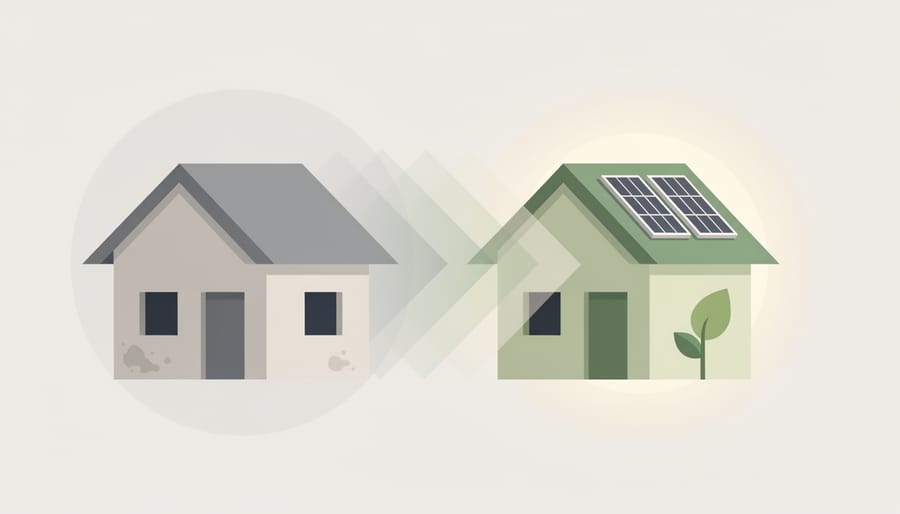
In 2023, Sarah Mitchell faced a familiar dilemma with her 1970s detached house in Bristol. The property needed everything: single-glazed windows, an aging gas boiler, minimal wall insulation, and a kitchen that hadn’t been touched since 1995. Contractors quoted £45,000 for modernisation, but Sarah questioned whether selective updates would genuinely add value or simply create a patchwork of improvements that wouldn’t appeal to today’s buyers.
After consulting with an estate agent experienced in sustainable property sales, Sarah listed the house as-is at £285,000, roughly £35,000 below comparable renovated homes but £15,000 above what she’d have netted after paying for updates herself. The listing emphasized the property’s south-facing roof, solid brick construction, and generous room sizes as a “blank canvas for comprehensive green renovation.”
Within three weeks, she accepted an offer from Tom and Rachel Chen, architects specializing in retrofit projects. They saw precisely what Sarah couldn’t have delivered: an opportunity for whole-house performance upgrade. Over eighteen months, the Chens installed external wall insulation, triple glazing, an air source heat pump, solar panels, and mechanical ventilation with heat recovery. The comprehensive approach achieved an EPC rating of A and reduced annual heating costs by 78%.
The outcome proved financially and environmentally superior to Sarah’s initial plan. Her selective pre-sale improvements would have addressed aesthetics while leaving the building’s fundamental energy performance unchanged. The Chens avoided the waste of ripping out perfectly functional new fixtures, instead implementing integrated solutions that treated the house as a complete system. Sarah received fair value without the renovation headache, while the buyers created genuinely sustainable housing stock for decades to come.
When Selective Upgrades Do Make Sense
While selling as-is often makes environmental and financial sense, certain targeted improvements can transform a difficult sale into a competitive one. The key is focusing on upgrades that address safety, functionality, and genuine value rather than cosmetic updates that buyers might undo anyway.
Safety issues should never be left to the next owner. Faulty electrical panels, structural compromises, or hazardous materials like asbestos require immediate attention, not only because they’re legal disclosure requirements in most markets, but because they fundamentally affect habitability. Similarly, failing mechanical systems that pose breakdown risks during the selling process warrant replacement with efficient alternatives. A heat pump water heater or condensing boiler costs only marginally more than a standard replacement while delivering long-term efficiency gains that appeal to sustainability-minded buyers.
Pros
- Addresses critical safety concerns that could derail sales or trigger price reductions.
- Efficient system replacements cost only slightly more than standard ones but significantly boost appeal.
- Accessibility modifications open your property to a broader buyer demographic.
- Documented improvements with warranties transfer peace of mind to the next owner.
Cons
- You may not recoup the full investment if upgrades don’t align with buyer priorities.
- Partial improvements can highlight other outdated elements by contrast.
- Time spent on upgrades extends your selling timeline and holding costs.
- Eco-conscious buyers may prefer to choose their own sustainable systems and contractors.
Energy loss repairs around windows, doors, and attic spaces represent another strategic investment. Air sealing and proper insulation often cost less than cosmetic renovations while delivering measurable energy performance improvements that resonate with today’s buyers. These upgrades also make the home more comfortable during showings, which matters more than sellers realize.
Accessibility modifications, lever-style door handles, zero-threshold entries, or a main-floor bathroom, broaden your buyer pool substantially. As populations age and universal design principles gain traction, these features add functionality without the dated appearance of purely aesthetic updates. Focus on improvements that solve problems rather than chase trends, and you’ll invest wisely while maintaining the sustainable principle of doing only what’s genuinely necessary.
Selling a house that needs modernising doesn’t require you to become a renovator first. For many homeowners, the as-is approach offers clear advantages: you avoid the financial uncertainty of pre-sale improvements that may not deliver returns, you sidestep the embodied carbon of rushed upgrades, and you preserve your time and energy for your next chapter.
More importantly, you create space for the right buyer, someone with the vision, resources, and commitment to implement comprehensive sustainable solutions rather than superficial fixes. Today’s green building standards evolve rapidly. What qualifies as efficient now may feel outdated within years. By selling without patchwork improvements, you allow future owners to design holistic renovations aligned with current passive house principles, renewable energy integration, and whole-building performance strategies.
The decision ultimately depends on your property’s condition, local market dynamics, and timeline. But if your house has good bones and potential for transformation, selling as-is often proves smarter than guessing which upgrades today’s eco-conscious buyers will value tomorrow. Trust that the right purchaser will see opportunity where you see outdated finishes.