Environmentally friendly home decor reduces indoor air pollution, minimizes landfill waste, and lowers your carbon footprint through eight core product categories: natural fiber textiles, reclaimed wood furniture, low-VOC paints and finishes, recycled glass accessories, organic bedding, sustainably harvested bamboo pieces, secondhand vintage items, and plant-based decorative elements. Each category addresses specific environmental concerns while delivering aesthetic appeal that matches contemporary design trends.
The environmental impact of conventional home decor extends beyond manufacturing emissions. Traditional furniture …
Category: Sustainable Building Design
Guides, frameworks, and best practices for planning and designing eco-friendly homes and buildings, from floor plans and materials to performance targets.
CCS Construction Is Transforming How We Build Carbon-Neutral Infrastructure
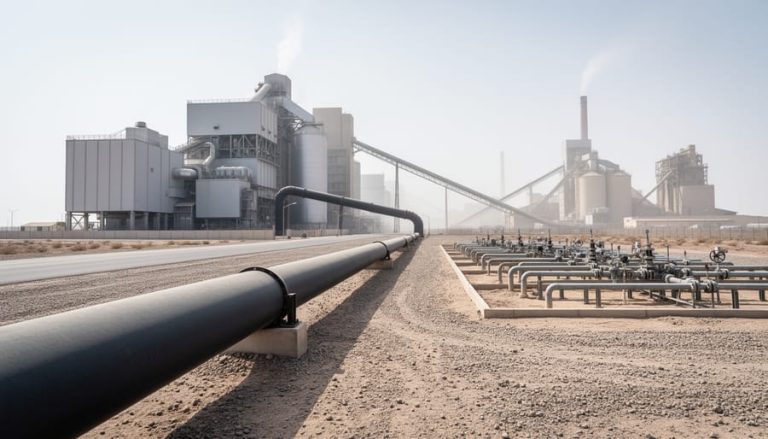
CCS construction refers to the specialized design and build process for carbon capture and storage facilities, infrastructure capable of intercepting industrial CO2 emissions before they reach the atmosphere and transporting them to secure geological storage sites. These aren’t typical building projects. They require pipeline networks, capture plants integrated with existing industrial facilities, and injection wells drilled thousands of feet into rock formations, all engineered to handle carbon dioxide at scale.
The construction industry is paying attention because decarbonization regulations are tightening across major …
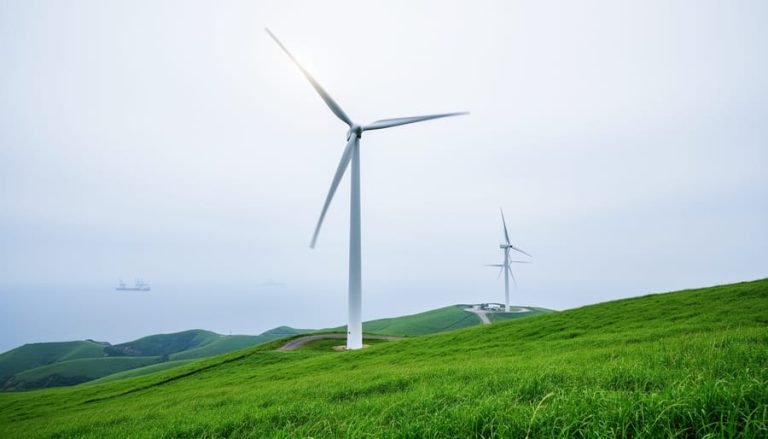
How Does Wind Energy Affect the Environment? The Truth Behind Turbines
Wind turbines spinning across hillsides and offshore platforms have become iconic symbols of clean energy, yet their environmental footprint extends beyond the promise of zero emissions. Understanding these impacts matters now more than ever as wind installations have grown to power roughly 12% of U.S. electricity demand in 2026, with architects increasingly incorporating turbine systems into eco-friendly buildings and community developments.
The environmental conversation around wind energy reveals a complex balance sheet. On one side sits the…
What Are Greenhouse Gases and Why They Matter for Your Building Project
Greenhouse gases are invisible atmospheric compounds that trap heat from the sun, creating a warming blanket around Earth that makes our planet habitable. Without them, Earth’s average temperature would plummet to around -18°C (0°F) instead of the comfortable 15°C (59°F) we experience today. But here’s the challenge facing architects and builders in 2026: human activities have increased concentrations of these gases by over 50% since pre-industrial times, intensifying the natural greenhouse effect and driving climate change that directly impacts how we design and construct buildings.
Carbon dioxide, methane, nitrous …
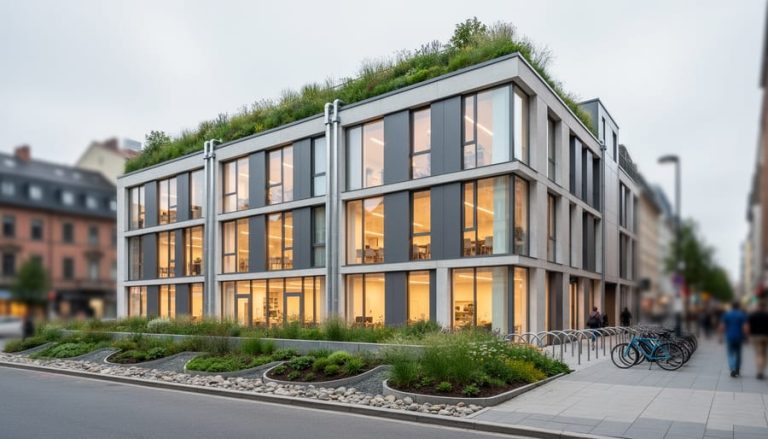
The World’s Most Sustainable Building: Public Architecture That Redefines Green Construction
The race to net zero has produced architectural marvels that prove sustainability isn’t just an ideal but a measurable reality. Buildings across the globe are now generating more energy than they consume, purifying rainwater to drinking standards, and sequestering carbon in their very structure. These projects have moved beyond LEED Platinum certifications to achieve what once seemed impossible: structures that actively heal the environment around them.
What distinguishes the world’s most sustainable building from merely “…
How Public Buildings Are Finally Breaking Free from Energy Waste
Integrate high-performance building envelopes with triple-glazed windows and enhanced insulation systems that reduce energy consumption by 40-60% compared to conventional construction—a strategy demonstrated successfully in Seattle’s Bullitt Center, which achieves net-zero energy status despite the Pacific Northwest’s challenging climate. Position buildings to maximize passive solar gain during winter months while incorporating automated shading systems and strategic landscaping that minimize cooling loads in summer, reducing mechanical HVAC demands by up to 35%.
Install modular green infrastructure including living …
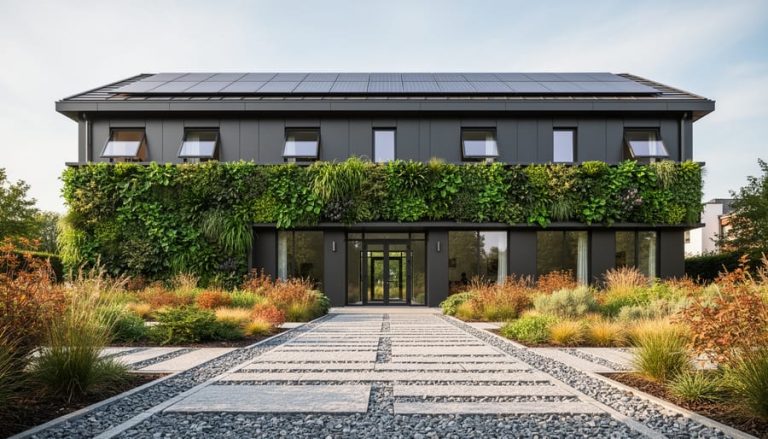
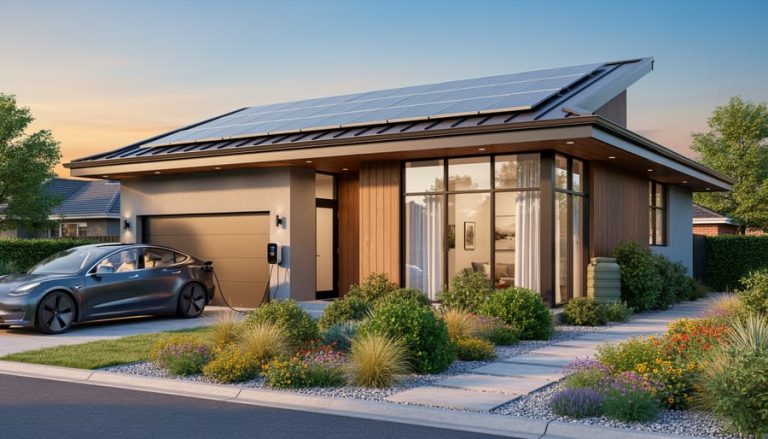
Building Green Homes That Actually Save You Money
Building a green home starts with understanding the core principles that separate sustainable construction from conventional methods. Energy efficiency, water conservation, material selection, and indoor air quality form the foundation of every successful green building project. These elements work together to reduce environmental impact while creating healthier living spaces that cost less to operate over time.
The investment in green building delivers measurable returns. Homeowners typically see energy bills reduced by 20-40% compared to standard construction, while property values increase an average of 8-10% according to recent …