
Reject private blog networks as your primary link-building strategy for sustainable architecture SEO, despite their tempting promise of quick rankings. These interconnected websites designed solely to manipulate search rankings conflict fundamentally with the transparency and authenticity your sustainable architecture practice represents. Instead, pursue pbn alternative approaches that align with both Google’s guidelines and your environmental values.
Build genuine relationships with environmental organizations, green building councils, and sustainable design publications to earn authentic backlinks that carry real authority. These partnerships create lasting visibility while connecting you with clients who share your commitment to responsible building practices. Guest contribute technical insights to established architecture journals, explaining how passive solar design reduces energy consumption by 40% or how reclaimed materials lower embodied carbon in residential projects.
Create linkworthy resources like carbon footprint calculators for building materials or interactive guides comparing insulation R-values across climate zones. These tools naturally attract links from educators, industry peers, and homeowners researching sustainable options. Document your completed projects with detailed case studies showing measurable outcomes, energy savings data, and client testimonials that demonstrate real-world impact.
The risks of PBN detection include permanent removal from search results, damaged professional reputation, and misalignment with the ethical standards expected in sustainable design. Your architecture practice deserves a digital presence built on the same principles as your buildings: structurally sound, environmentally responsible, and designed for long-term performance rather than short-term shortcuts.
What Are PBN Links and Why They’re Tempting for Sustainable Architecture Firms

The Promised Benefits That Seem Perfect for Niche Markets
At first glance, Private Blog Networks might seem like an appealing shortcut for sustainable architecture firms looking to improve their search visibility. The promised benefits sound particularly attractive for specialized practices operating in environmental design and green building sectors.
The primary appeal lies in speed. PBN advocates claim these networks can deliver first-page rankings in weeks rather than months, which sounds perfect for boutique architecture firms competing against larger corporate practices. For a small studio specializing in passive house design or net-zero construction, the promise of quickly outranking established competitors feels like a game-changer.
Control represents another tempting advantage. PBNs theoretically allow you to choose exact anchor text linking to your services, whether that’s “LEED-certified architects in Portland” or “regenerative design consultants.” This precision targeting seems ideal when you’re marketing highly specialized offerings like biophilic design or carbon-neutral renovations.
The niche placement benefit particularly resonates with sustainable architecture firms. PBN providers often promise links from construction-related blogs, environmental websites, or architecture directories, creating the appearance of genuine industry endorsement. For firms building their reputation in specialized areas like green retrofitting or sustainable urban planning, these contextually relevant backlinks seem like exactly what Google wants to see.
Cost considerations also factor in. Compared to ongoing content marketing expenses or conference sponsorships, a one-time PBN package might appear economical, especially for newer practices with limited marketing budgets.
These theoretical advantages create an enticing picture for architecture firms seeking competitive edge in crowded digital spaces. However, understanding why these benefits appeal to sustainable design professionals is merely the starting point for evaluating whether this strategy genuinely aligns with both search engine guidelines and the ethical foundations of sustainable practice itself.
How PBNs Claim to Work in the Architecture Industry
Private Blog Networks (PBNs) operate by creating an interconnected web of websites that link back to a target site—in this case, an architecture firm’s website focused on sustainable design. Here’s how practitioners typically deploy them in the sustainable architecture space:
The PBN operator purchases expired domain names with existing authority, often former architecture blogs, construction sites, or design publications. They populate these domains with generic content about topics like “eco-friendly building materials” or “green construction techniques,” then embed links pointing to their main website using targeted keywords such as “sustainable architecture firm” or “LEED-certified designers.”
For example, someone might create five different blogs covering topics like residential green building, commercial sustainability standards, and renewable materials. Each site publishes articles with phrases like “net-zero energy homes” or references to sustainable architecture examples, then strategically links to the main architecture firm’s service pages. The theory is that search engines will interpret these links as legitimate endorsements, boosting the target site’s rankings for valuable search terms like “sustainable architect near me” or “passive house designer.”
PBN advocates claim this approach accelerates SEO results by artificially creating the link authority that would normally take years to develop organically. The network remains hidden because each blog appears independent, maintaining different hosting providers, domain registrars, and content styles to avoid detection patterns.
However, this mechanical approach fundamentally misunderstands how modern search algorithms evaluate genuine expertise and authority in specialized fields like sustainable architecture.
The Real Risks: Why Google Penalizes PBN Links
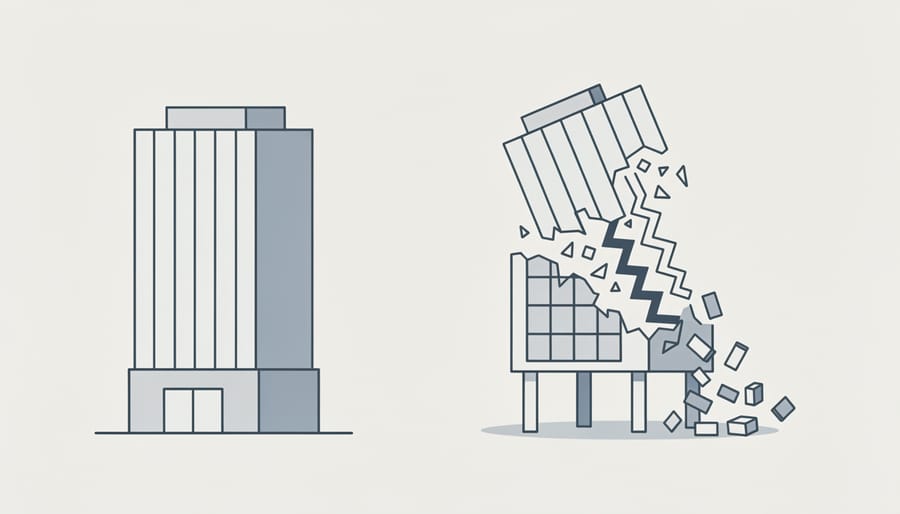
Case Study: Architecture Firms That Lost Everything
In 2019, a mid-sized architectural firm specializing in eco-friendly commercial buildings experienced a devastating blow to their online presence after investing in what seemed like a shortcut to SEO success. The firm, which we’ll call GreenSpan Architecture to protect their identity, had been struggling to compete with larger competitors in search rankings despite having an impressive portfolio of LEED-certified projects.
Seeking faster results, GreenSpan hired an SEO agency that promised first-page rankings within three months using a network of architecture and construction-related websites. Initially, the strategy appeared to work. Their rankings for competitive terms like “sustainable office design” and “green building architects” climbed steadily, bringing a 40% increase in organic traffic over two months.
However, the success was short-lived. Google’s algorithm detected the manipulative link pattern, and GreenSpan’s website was hit with a manual penalty. Overnight, their search visibility plummeted by 85%. Traffic that had taken years to build vanished within weeks. Potential clients who once discovered them through search now found competitors instead.
The damage extended beyond rankings. When industry partners investigated the sudden disappearance from search results, they discovered the PBN links. Several clients questioned the firm’s ethics, with one major university withdrawing from contract negotiations, citing concerns about integrity. The firm’s reputation in the sustainable architecture community suffered significantly, as many saw the manipulative tactics as contradicting their environmental values.
Recovery took GreenSpan nearly 18 months, requiring substantial investment in content removal, disavow files, and rebuilding their authority through legitimate means. The lesson was clear: shortcuts that compromise ethical standards ultimately cost far more than the patient work of building genuine authority.
The Trust Factor: What Clients Think When They Discover PBN Usage
When environmentally conscious clients research your sustainable architecture firm and discover manipulative SEO tactics, the disconnect creates immediate distrust. These clients chose sustainable design precisely because they value transparency, long-term thinking, and ethical practices. Finding that your firm uses deceptive link networks to game search rankings contradicts every principle they expect you to embody in your work.
Consider the typical client journey: A homeowner passionate about environmental responsibility discovers your firm through search results. They’re impressed by your portfolio of LEED-certified buildings and your commitment to regenerative design. But during their due diligence, they notice questionable links pointing to your site from unrelated blogs. Perhaps a tech-savvy client runs a simple backlink check, or a competitor points out these inconsistencies. The revelation raises uncomfortable questions: If you’re willing to cut corners in marketing, what shortcuts might you take during construction?
The reputation damage extends beyond individual clients. Partnership opportunities with environmental organizations, green building councils, and sustainability-focused developers evaporate when your digital footprint reveals contradictory values. In an industry built on long-term relationships and referrals, one client’s discovery of PBN usage can ripple through your professional network for years. The sustainable architecture community is relatively small and interconnected, meaning your reputation is one of your most valuable assets. Compromising it for temporary search rankings represents a fundamental misalignment between stated values and actual practices, precisely what environmentally conscious clients actively avoid.
Why PBNs Contradict Sustainable Business Practices
The fundamental disconnect between PBN links and sustainable architecture becomes strikingly clear when we examine what sustainability actually means for businesses in this field. At its core, sustainable practice demands transparency—showing clients and communities exactly where materials come from, how structures perform, and what environmental impact they create. PBN links operate on the opposite principle: deception through networks of fake websites designed to manipulate search rankings while hiding their true ownership and purpose.
Consider how sustainable architecture strategies emphasize authenticity and genuine performance metrics. Architects in this space build their reputations on verifiable results—LEED certifications, energy consumption data, and documented environmental benefits. When these same firms use PBN links for marketing, they’re essentially saying one thing to clients while doing another online. This creates a credibility gap that savvy homeowners and commercial clients can detect, especially as they become more educated about digital marketing practices.
The long-term thinking inherent to sustainable design directly contradicts the short-term gains of PBN strategies. Building an energy-efficient structure requires planning decades into the future, considering lifecycle costs and environmental impact over generations. PBN links offer quick ranking boosts but carry serious risks of Google penalties that can devastate online visibility overnight. This tactical approach fundamentally misaligns with an industry that prides itself on durability and forward planning.
Perhaps most importantly, the resource waste involved in maintaining PBNs—purchasing domains, hosting multiple sites, creating throwaway content—runs counter to environmental responsibility. These networks consume digital resources without adding genuine value, much like building with materials that serve no structural purpose. For firms genuinely committed to reducing environmental footprints, this wastefulness extends beyond physical construction into how they conduct all business operations, including marketing.
Legitimate Link Building Strategies That Actually Work for Green Architecture
Building Authority Through Educational Content and Research
Instead of risking penalties with private blog networks, sustainable architecture firms can build genuine authority by creating educational content that naturally attracts quality backlinks. This approach aligns perfectly with the values-driven nature of green building while establishing your expertise in the field.
Start by publishing original research that fills knowledge gaps in the industry. For example, document energy savings data from your completed projects, conduct thermal performance studies, or analyze the lifecycle costs of different sustainable materials. When you share concrete data and measurable outcomes, industry publications, educational institutions, and sustainability advocates will reference your findings, creating organic backlinks that search engines reward.
Case studies showcasing your eco-friendly building designs serve as powerful link magnets. Detail the challenges you solved, innovative techniques you employed, and the environmental impact achieved. Include before-and-after photos, energy consumption comparisons, and client testimonials. Real-world project documentation helps homeowners visualize possibilities while providing valuable insights other architects will want to cite.
Annual sustainability reports demonstrate thought leadership. Track emerging trends in green building, analyze new material technologies, or compile best practices for passive solar design. These comprehensive resources become reference materials that accumulate backlinks over time.
Consider creating practical guides and downloadable resources like checklists for selecting sustainable materials or calculators for estimating carbon footprints. Tools that solve specific problems for your audience get shared widely across social media and industry forums, generating natural backlinks while positioning your firm as a helpful authority rather than just another service provider competing for rankings.

Strategic Partnerships with Environmental Organizations
Instead of pursuing risky PBN tactics, sustainable architecture firms can build genuine authority through strategic partnerships with respected environmental organizations. These authentic relationships create natural link opportunities while establishing your firm as a trusted voice in green building.
Start by identifying alignment opportunities with organizations like the U.S. Green Building Council, Architecture 2030, or regional green building councils. Many of these groups actively seek expert contributors for educational content, webinars, and certification resources. By offering your expertise on topics like passive design strategies or net-zero carbon projects, you naturally earn authoritative backlinks from highly relevant domains.
Consider collaborative approaches such as sponsoring sustainability awards, participating in research initiatives, or contributing case studies to industry publications. For example, one California-based firm gained featured placement on multiple .org and .edu domains by sharing detailed documentation of their LEED Platinum renovation project with academic institutions studying adaptive reuse.
Membership in professional associations like the American Institute of Architects or International Living Future Institute often includes directory listings and member spotlight opportunities. These aren’t just links; they’re endorsements that signal credibility to both search engines and potential clients.
The key difference from PBNs is authenticity. These partnerships require genuine expertise and commitment but deliver sustainable SEO value that aligns with your brand values. They also open doors to speaking opportunities, joint ventures, and referrals that artificial link schemes never could, creating compounding benefits far beyond search rankings.
Digital PR: Getting Featured in Architecture and Sustainability Publications
Instead of pursuing questionable PBN tactics, sustainable architecture firms can build authentic authority through strategic digital PR. This approach earns genuine backlinks from respected publications while establishing your expertise in the industry.
Start by identifying your most newsworthy projects. Publications like Architectural Digest, Dwell, and GreenBuild Media actively seek stories about innovative sustainable buildings. Document your projects thoroughly with professional photography, energy performance data, and compelling narratives about how you solved specific environmental challenges. A net-zero home that reduced energy consumption by 80% makes for more compelling content than generic green building claims.
Position yourself as an expert source by offering commentary on industry trends. Journalists covering topics like passive house design, renewable materials, or climate-responsive architecture need reliable sources. Create a media kit highlighting your specializations and past projects, then reach out to reporters who cover sustainable building. Tools like HARO (Help A Reporter Out) connect experts with journalists seeking quotes and insights.
Leverage case studies to pitch targeted stories. Rather than broad press releases, craft specific angles for different publications. A technical journal might feature your innovative rainwater harvesting system, while a homeowner-focused magazine would prefer the human story of a family living in their sustainable dream home. Each placement becomes a valuable backlink from an authoritative domain.
Collaborate with manufacturers and suppliers on co-marketing content. When you specify innovative sustainable products, manufacturers often feature these applications in their own marketing, creating additional exposure and backlinks. These partnerships amplify your reach while building relationships within the industry ecosystem.
This ethical approach takes more effort than purchasing PBN links, but generates lasting credibility and authentic connections that actually drive business growth.
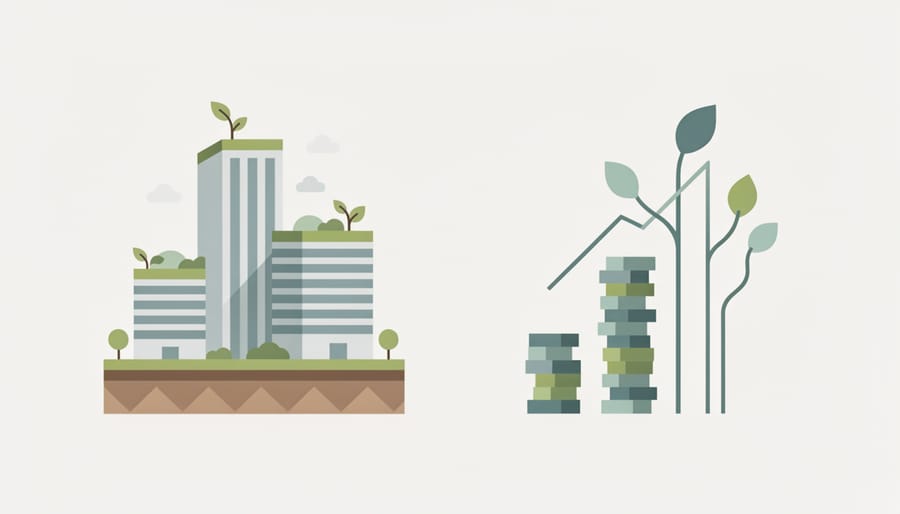
Your 90-Day Sustainable SEO Action Plan
Building authentic SEO visibility for your sustainable architecture practice doesn’t require shortcuts. Here’s a practical roadmap that delivers measurable results while protecting your reputation.
Days 1-30: Foundation and Content Audit
Begin by conducting a comprehensive audit of your existing website content. Identify pages that showcase your completed sustainable projects, design philosophy, and energy-efficient design principles. During this first month, optimize three to five cornerstone pages with detailed project case studies, including photos, sustainability metrics, and client testimonials. Create or update your Google Business Profile with accurate information, project images, and client reviews. Set up Google Search Console and Analytics to establish baseline metrics.
Expected results: Improved site structure clarity and initial keyword rankings for branded searches.
Days 31-60: Content Creation and Local Outreach
Focus on publishing two high-quality blog posts weekly that address common client questions about sustainable building. Topics might include material selection, cost comparisons between conventional and green building methods, or long-term energy savings calculations. Reach out to five local home and design publications, offering to contribute expert articles about sustainable architecture trends in your region. Join three relevant professional organizations and ensure your firm is listed in their member directories. Begin collecting video testimonials from satisfied clients discussing their experience with your sustainable projects.
Expected results: Increased organic traffic by 15-25 percent, initial referral traffic from authoritative local sources, and two to three quality backlinks from industry publications.
Days 61-90: Relationship Building and Technical Optimization
Launch a monthly email newsletter featuring your latest projects and sustainable design tips. Improve website speed by optimizing images and implementing caching solutions. Partner with complementary local businesses like sustainable materials suppliers or energy consultants for cross-promotion opportunities. Present at one local event or webinar about sustainable architecture. Create location-specific landing pages if you serve multiple markets.
Expected results: 30-40 percent traffic increase from baseline, five to eight quality backlinks, stronger local search visibility, and established industry relationships that generate ongoing referrals and natural link opportunities.
Choosing how to promote your sustainable architecture practice online mirrors the decisions you make in design: do you take shortcuts that compromise integrity, or do you build something that lasts? Just as sustainable buildings prioritize long-term performance over quick construction, your SEO strategy should reflect the same values. PBN links may promise fast rankings, but they fundamentally contradict the transparency and authenticity that define both sustainable architecture and ethical business practices.
The architects and firms seeing real success in the digital space are those investing in genuine content, earning natural backlinks through thought leadership, and building communities around their innovative work. These strategies take time, much like the careful planning required for a net-zero building, but the results are resilient and aligned with your professional reputation.
Your commitment to environmental responsibility deserves a marketing approach that honors those same principles. By focusing on creating valuable resources, sharing real project outcomes, and connecting authentically with homeowners and industry peers, you build digital authority that withstands algorithm changes and enhances your credibility. Choose the path that reflects your values, invest in sustainable growth, and watch your online presence flourish alongside your architectural vision.